
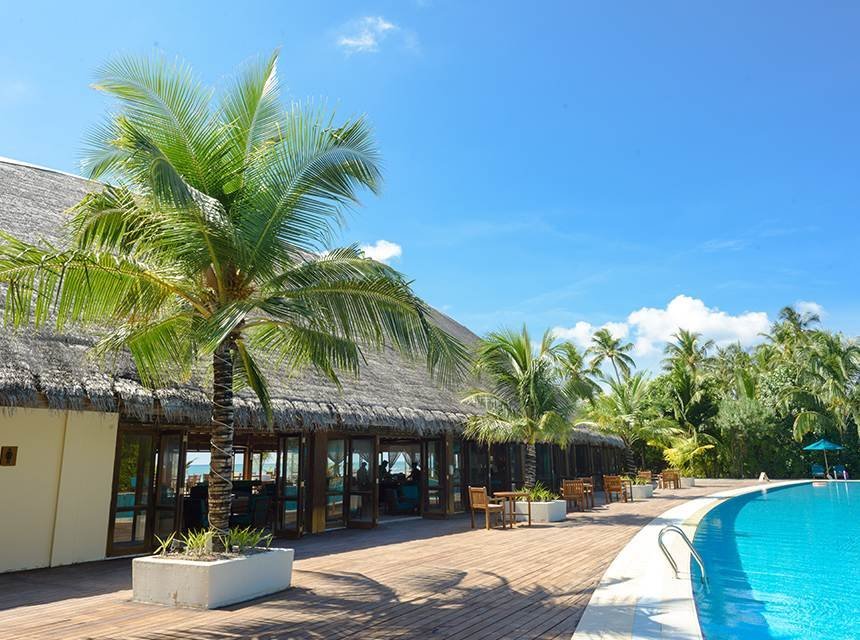
The travel landscape is shifting, and US destinations are feeling the impact of a freeze in Canadian tourism. As we look ahead to 2026, understanding these trends is crucial for stakeholders in the tourism industry.

Popular spots like Destin Beach have historically relied on international visitors, including those from Canada. However, changes in travel patterns may affect local economies that depend on tourism revenue.
Table of Contents
This article will explore the implications of the Canada tourism freeze on US destinations and what the future holds for these areas.
Key Takeaways
- The decline in Canadian tourism affects local economies in the US.
- Destinations like Destin Beach may need to adapt to new visitor demographics.
- The trend could lead to a shift in tourism strategies across the US.
- Understanding these changes is key to mitigating their impact.
- US destinations must innovate to attract new visitors.
Understanding the Canada Tourism Freeze and Its Impact
The Canadian tourism freeze has sent shockwaves through US destinations, raising concerns about the future of travel. As a result, it’s essential to understand the factors contributing to this decline and its economic implications.
Key Factors Behind the Canadian Tourism Decline
Several factors have contributed to the decline in Canadian tourism. Economic uncertainty and currency fluctuations have made US travel less appealing to Canadians. Additionally, changes in travel regulations and increased border security have complicated travel plans.
Economic Implications for US Border States
US border states are feeling the pinch as Canadian tourists cut back on travel. Local businesses, particularly those in the hospitality industry, are struggling to adapt. The phrase “hotels near me” is becoming increasingly popular as travelers from other regions begin to fill the gap.
| State | Projected Loss | Potential Gain |
|---|---|---|
| New York | $100 million | $50 million |
| Michigan | $50 million | $20 million |
| Washington | $80 million | $30 million |
Timeline of Tourism Pattern Changes Through 2026
As we look ahead to 2026, it’s clear that tourism patterns will continue to shift. Destinations like Destin Beach are already experiencing the effects, with some areas facing the issue of “destin drowning” in tourism. However, with strategic planning, these destinations can adapt and thrive.
By understanding the factors behind the Canadian tourism decline and its economic implications, US destinations can begin to develop effective strategies to mitigate the impact and capitalize on emerging opportunities.
How the Canada Tourism Freeze US Destinations Phenomenon Is Reshaping Travel
The decline in Canadian tourism has prompted US destinations to explore new markets and demographics. This shift is not just about replacing a lost customer base but also about reimagining the travel experience to attract a diverse range of visitors.

Identifying Shifting Demographics of US Visitors
US destinations are now focusing on understanding the evolving demographics of their visitors. There’s a growing interest in attracting younger travelers who are looking for unique experiences, such as adventure tourism and eco-tourism. For instance, Destin Beach has seen an uptick in visitors seeking water sports and outdoor activities.
Moreover, there’s a notable increase in domestic travel, with Americans opting for staycations or road trips to nearby destinations. This trend presents an opportunity for US destinations to cater to the local market by offering tailored packages and promotions.
Tapping Into Emerging Alternative Markets
To offset the loss of Canadian tourists, US destinations are exploring alternative international markets. There’s a growing focus on attracting visitors from countries like Mexico, the UK, and Australia. These markets offer a fresh source of revenue and help diversify the tourist demographic.
Marketing campaigns are being tailored to appeal to these new audiences, highlighting the unique attractions and experiences that US destinations have to offer. For example, some cities are leveraging their cultural festivals and events to attract international visitors.
Implementing Adaptation Strategies for Tourism Businesses
Tourism businesses are adapting to the new landscape by implementing innovative strategies. This includes offering specialized packages, enhancing customer service, and leveraging technology to improve the visitor experience. Businesses are also focusing on sustainability initiatives to appeal to the environmentally conscious traveler.
By embracing these changes, US destinations can not only recover from the impact of the Canada tourism freeze but also emerge stronger and more resilient. The key is to remain adaptable and responsive to the evolving needs and preferences of travelers.
How to Develop Effective Marketing Strategies for the New Tourism Landscape
US destinations are at a crossroads, needing to innovate their marketing strategies in response to the changing Canadian tourism landscape. The decline in Canadian visitors necessitates a multifaceted approach to attract new demographics and maintain economic stability.
Creating Digital Campaigns That Reach New Target Audiences
Developing targeted digital campaigns is crucial. This involves understanding the preferences and behaviors of potential visitors and crafting messages that resonate with them. For instance, campaigns highlighting the beauty and attractions of US destinations can be tailored to appeal to different age groups and interests.
Utilizing search optimization techniques, such as focusing on keywords like “hotels near me,” can significantly enhance the visibility of US destinations in search engine results, thereby attracting more visitors.

Implementing Pricing Strategies to Offset Canadian Visitor Loss
Pricing strategies play a vital role in attracting visitors. By offering competitive pricing and attractive packages, US destinations can entice travelers who are looking for value. This might involve special deals on accommodations, bundled tour packages, or seasonal discounts.
| Strategy | Description | Potential Impact |
|---|---|---|
| Digital Campaigns | Targeted online marketing | Increased visibility and appeal to new demographics |
| Pricing Strategies | Competitive pricing and packages | Attracting price-sensitive travelers |
| Case Studies | Learning from successful market pivots | Gaining insights into effective strategies |
Learning from Case Studies of Successful Market Pivots
Analyzing case studies of destinations that have successfully adapted to similar changes can provide valuable insights. For example, understanding how certain destinations managed to attract new visitor demographics can inform strategies for others facing similar challenges.
By embracing these strategies, US destinations can not only mitigate the impact of the decline in Canadian tourism but also thrive in the new tourism landscape.
Top US Destinations Adapting to the Canadian Tourism Decline
US destinations are reinventing themselves in response to the Canadian tourism slump. This transformation is evident in various cities and beach towns that are now focusing on alternative markets and enhancing their attractions.
Destin Beach: Step-by-Step Reinvention Strategies for 2026
Destin Beach, a popular destination in Florida, is undergoing significant changes to offset the decline in Canadian tourists. The city is implementing new safety measures and developing attractions tailored to domestic travelers.
Implementing Enhanced Safety Protocols to Address Destin Drowning Incidents
In response to concerns over drowning incidents, Destin Beach is enhancing its safety protocols. This includes increasing lifeguard presence during peak seasons and conducting regular safety drills.
Developing New Attractions and Experiences for Domestic Travelers
To attract more domestic visitors, Destin Beach is developing new attractions. These include water sports facilities, local event calendars, and cultural exhibitions that showcase the region’s heritage.
How Border Regions Are Transforming Their Tourism Offerings
Border regions are adapting by enhancing their infrastructure and offering unique experiences that appeal to new demographics. This includes improving transportation links and promoting local culture.
| Region | New Attractions | Target Audience |
|---|---|---|
| Detroit | Waterfront Revitalization | Domestic Tourists |
| Buffalo | Historical Tours | Educational Groups |
| El Paso | Cultural Festivals | Families |
Urban Centers’ Actionable Plans for New Tourism Models
Urban centers are also rethinking their tourism strategies. Cities like New York and Chicago are focusing on niche markets, such as culinary tourism and cultural heritage tours, to attract a diverse range of visitors.
By adopting these strategies, US destinations can effectively adapt to the decline in Canadian tourism and thrive in the new tourism landscape.
How to Optimize Accommodation Services When Guests Search “Hotels Near Me“
With the decline in Canadian tourists, US hotels are now focusing on optimizing their services to attract local customers searching for “hotels near me.” This shift in strategy involves leveraging technology, revising pricing models, and implementing sustainable practices to appeal to a new demographic.
Implementing Technological Solutions in the Hospitality Industry
The integration of technology is revolutionizing the hospitality industry. Hotels are now adopting advanced booking systems, mobile check-in, and personalized guest services to enhance the customer experience. For instance, implementing a robust Property Management System (PMS) can streamline operations, from check-in to check-out, and provide valuable insights into guest preferences.
Creating Innovative Pricing and Package Structures
In response to the changing tourism landscape, hotels are revising their pricing strategies and package offerings. This includes introducing dynamic pricing models that adjust rates based on demand, as well as creating special packages that cater to local events or seasonal activities. By doing so, hotels can attract a diverse range of customers and maximize occupancy rates.
Developing Sustainability Initiatives That Attract New Demographics
Sustainability has become a key factor in the decision-making process for many travelers. Hotels are now focusing on developing eco-friendly initiatives, such as reducing energy consumption, implementing recycling programs, and sourcing local products. These efforts not only contribute to a more sustainable environment but also appeal to the growing demographic of environmentally conscious travelers.
By embracing technological solutions, innovative pricing strategies, and sustainability initiatives, US hotels can effectively optimize their accommodation services and attract a new wave of customers searching for “hotels near me.”
Conclusion: Preparing for the Future of US Tourism in 2026 and Beyond
The Canada tourism freeze has significantly impacted US destinations, necessitating a strategic response to mitigate its effects. As the US tourism industry adapts to this new landscape, destinations like Destin Beach are reinventing themselves to attract new visitors.
To optimize their offerings, tourism businesses are focusing on digital marketing, innovative pricing, and sustainability initiatives. For instance, hotels near me searches are becoming increasingly popular, and businesses are responding by implementing technological solutions to enhance their visibility and appeal.
The challenge posed by the Canada tourism freeze US destinations phenomenon is substantial, but it also presents opportunities for growth. By understanding the shifting demographics and tapping into emerging markets, US destinations can offset the decline in Canadian visitors.
As the US tourism industry navigates this change, it is crucial to avoid destin drowning in the challenges and instead focus on developing effective strategies to thrive in the new tourism landscape. By doing so, US destinations can emerge stronger and more resilient, capitalizing on the opportunities presented by the canada tourism freeze us destinations trend.
FAQ
What is the Canada tourism freeze, and how is it affecting US destinations?
The Canada tourism freeze refers to the decline in Canadian tourism, which is impacting US destinations that previously relied heavily on Canadian visitors. This decline is forcing US destinations to adapt and find new markets.
How is Destin Beach adapting to the decline in Canadian tourism?
Destin Beach is implementing enhanced safety protocols to address drowning incidents and developing new attractions and experiences to attract domestic travelers. These strategies aim to reinvigorate the local tourism industry.
What strategies can US destinations use to attract new visitors?
US destinations can create digital campaigns to reach new target audiences, implement pricing strategies to offset the loss of Canadian visitors, and learn from successful case studies of market pivots.
How can hotels optimize their services when guests search for “hotels near me”?
Hotels can implement technological solutions, create innovative pricing and package structures, and develop sustainability initiatives to attract new demographics and improve their visibility in search results.
What are some key factors behind the decline in Canadian tourism?
While the exact factors are complex, they include economic conditions and changes in travel patterns. Understanding these factors can help US destinations develop effective strategies to adapt.
How are border regions and urban centers transforming their tourism offerings?
Border regions and urban centers are diversifying their attractions and experiences to appeal to new markets, including domestic travelers and visitors from alternative countries.